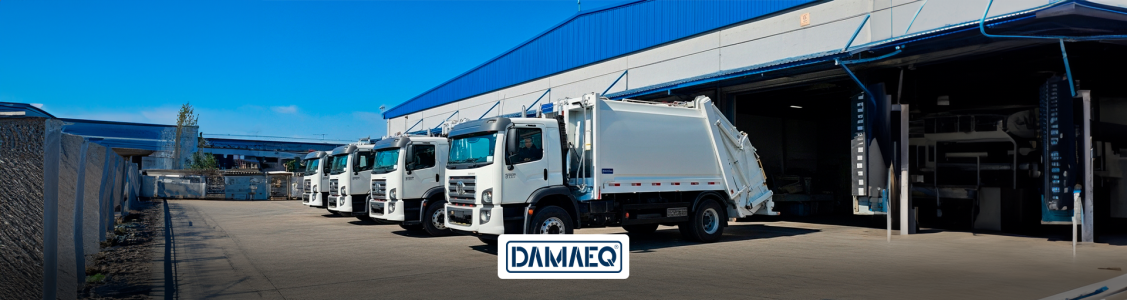
The automation of garbage collection trucks is deeply transforming the way cities manage urban solid waste. In this article, we highlight how this technological advance has brought more efficiency, safety and sustainability to the road implements sector. Keep reading!
What is the automation of garbage collection trucks?
Automation consists of incorporating technologies that allow trucks to operate in an automated or semi-automated way, reducing human intervention and increasing productivity. From intelligent hydraulic systems to sensors, cameras and management software, everything contributes to making the process more efficient and safe.
From manual work to intelligent operation
Traditionally, garbage collection involved intense manual labor, with physical and operational risks. Today, technology allows many truck functions to be performed at the touch of a button, or even remotely, which optimizes resources and protects operators.
The role of road implements in automation
Road implements are the great enablers of this transformation. They are responsible for equipping trucks with the systems needed to operate more efficiently, more safely and in line with the new demands of cities.
Automated refuse collectors (compactors)
One of the main implements used is the refuse collector (compactor) with automated hydraulic actuation. It allows direct operation from the cab, eliminating the need for outside operators in several steps and reducing collection time at each stop.
Weighing and monitoring systems
Equipment that weighs the load in real time provides accurate information on the amount of waste collected, helping with route control, billing and audits. This increases the transparency of the services provided and the reliability of the information.
Technologies driving automation
The automation of refuse collectors (compactors) depends on the integration of physical and digital components. Below, we highlight some of the main onboard technologies:
Smart sensors and cameras
Devices such as presence sensors and 360º cameras help with truck positioning, automatic container identification and accident prevention. They can also be integrated with RFID reading systems for smart bins.
Management and tracking software
Cloud solutions allow real-time monitoring of the operation: truck location, volume collected, stop time at each point, among other data. This connectivity turns trucks into part of a smart urban ecosystem.
Direct impact on operations and safety
The automation of garbage collection trucks directly affects crew productivity, service quality and worker safety.
Reduced risks for operators
With less need to climb on and off the truck, load waste by hand or operate mechanical levers, the risks of accidents and injuries drop significantly. The operator works with more comfort, safety and ergonomics.
Shorter operating time and more efficiency
By purchasing automated road implements, it is possible to reduce the time needed to collect waste at each stop, allowing the same fleet to serve a larger area with fewer resources. This means savings in fuel, labor and maintenance.
Sustainability and environmental responsibility
The search for cleaner solutions also drives automation. Many automated trucks are adapted to run on electric or hybrid engines, helping reduce pollutant emissions.
Compatibility with electric trucks
Modern road implements are developed with lighter materials and efficient actuation systems, ensuring compatibility with lower-emission engines and lower energy consumption.
Future paths for road implements
The future of urban garbage collection is directly tied to the continuous innovation of road implements.
Integration with smart cities
Implements are already being integrated into smart city platforms, connecting trucks to urban control centers. This enables a faster response to emergency situations and dynamic route optimization according to waste volume.
Evolution of sweeper and emergency trucks
Besides refuse collectors (compactors), mechanical sweepers and emergency vehicles (such as fire trucks) are also receiving automation. Autonomous sweeping systems, remote control and sensors are increasingly present in these vehicles.
The role of manufacturers in technological progress
Road implement manufacturers play an essential role in this transformation. They need to integrate technology, engineering and innovation to meet the new demands of the market and of municipalities.
Complete solutions, not just equipment
More than offering products, companies must deliver integrated solutions: from the technical design of the implement to software support, connectivity, maintenance and continuous updating of onboard systems.
Automation as a pillar of a more efficient future
The automation of garbage collection trucks is an essential step toward building smarter, cleaner and more sustainable cities. And it is through road implements — increasingly technological and connected — that this transformation is becoming reality on the streets of large and mid-sized cities in Brazil and around the world.
👉See also: Cost-benefit of buying road implements: find out why it is a smart investment for cargo transport
Get to know Damaeq
Damaeq, as a road implement manufacturer, offers high-quality solutions to meet the specific needs of each sector, ensuring that your operations are more efficient, sustainable and safe.
Acquiring road implements is a smart choice for companies and sectors that want to optimize their processes and ensure a cleaner, safer work environment.
👉Want to learn more about Damaeq solutions? Get in touch with our consultants right now! 📞+ 55 (41) 3643-2232