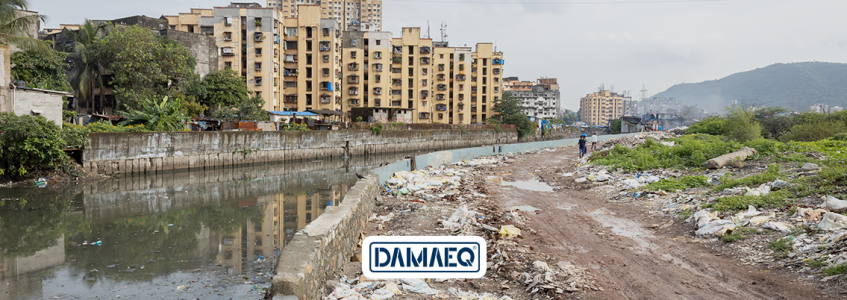
Soil contamination in urban areas is a significant environmental problem that affects public health, quality of life, and the sustainable development of cities. The main sources of contamination include industrial activities, open dumps, and chemical spills.
This article analyzes the effects of soil contamination in cities and presents solutions for remediating contaminated areas, as well as preventive measures to avoid future damage. Enjoy the read!
Effects of soil contamination in urban areas
Soil contamination in urban areas is a significant environmental problem that affects public health, quality of life, and the sustainable development of cities.
Various human activities contribute to soil degradation, especially in densely populated areas, where pressure on natural resources is intense.
Soil contamination can result from industrial activity, improperly managed open dumps, and chemical spills. Understanding the effects of this soil contamination in urban areas is essential for developing effective remediation and prevention strategies aimed at environmental protection and the well-being of urban populations.
Impact of industrial activity
Industrial activity is one of the main causes of soil degradation in urban areas. Chemical, metallurgical, manufacturing, and other industries release toxic substances into the environment, which can seep into the soil and reach groundwater. These contaminants include heavy metals, solvents, acids, and radioactive substances. The presence of these pollutants can lead to a decline in soil quality, affecting local flora and fauna, as well as posing a direct risk to human health through direct or indirect exposure.
Problems caused by open dumps
Open dumps, often located in or near urban areas, are another significant source of soil contamination. The decomposition of organic waste and the presence of hazardous materials, such as batteries, electronics, and household chemicals, result in the release of toxic leachate. This leachate can seep into the soil and contaminate groundwater, in addition to emitting harmful gases such as methane, which contribute to the greenhouse effect.
Chemical spills
Chemical spills, whether from storage tanks, pipelines, or industrial accidents, pose a constant risk of urban soil contamination. Substances such as fuels, oils, pesticides, and herbicides can spread quickly through the soil, reaching large areas and making remediation difficult. These incidents can cause lasting damage to the environment and to the health of local communities.
Physical remediation techniques
Physical remediation techniques involve the removal, containment, or separation of contaminants present in the soil. Among the most common approaches are:
- Excavation and Removal: this technique involves excavating the contaminated soil and removing it to a safe location where it can be properly treated or disposed of. It is effective for the immediate removal of contaminants, but it can be costly and disruptive to the local environment.
- Soil Washing: consists of using washing liquids that dissolve the contaminants present in the soil. After application, the soil is separated from the contaminated liquid, which is then treated. This technique is effective for soils contaminated with heavy metals and organic compounds.
- Physical Barriers: installing physical barriers, such as impermeable underground walls, can prevent contaminants from migrating to unaffected areas. This technique is often used in combination with other remediation strategies.
- Vaporization and Soil Vapor Extraction: uses heat to vaporize volatile contaminants present in the soil, which are then captured and treated. It is effective for removing volatile solvents and hydrocarbons.
Preventive measures to avoid future damage
Below are the main ways to prevent soil contamination in urban areas.
Proper waste management
Implementing efficient waste management systems is essential to prevent soil contamination in urban areas. This includes recycling, hazardous waste treatment, and the proper disposal of trash in controlled sanitary landfills. Reducing waste generation should also be encouraged through sustainable consumption policies and environmental education.
👉 See also: Waste collection in peri-urban areas: what strategies can reach remote locations?
Regulation and urban planning
Governments and local authorities must develop and implement regulations that limit the release of pollutants into the soil. Urban planning must consider the proper location of industries and open dumps, away from residential areas and drinking water sources. Creating buffer zones and promoting sustainable industrial practices are also effective measures to minimize the risks of soil contamination in urban areas.
Soil contamination in urban areas is a complex challenge that requires an integrated approach to remediation and prevention. By combining physical, biological, and chemical remediation techniques and implementing effective preventive measures, it is possible to mitigate the negative impacts of urban soil contamination and protect public health and the environment.
👉See also: Urban cleaning: discover the 10 challenges for clean and sustainable cities
Get to know Damaeq
One way to avoid soil degradation is to use high-quality, high-technology waste management equipment, and that is something we understand! Damaeq is committed to providing high-quality equipment that meets the specific needs of its customers, contributing to more effective and sustainable urban cleaning.👉Want to learn more about Damaeq management solutions? Contact our consultants right now! 📞+ 55 (41) 3643-2232