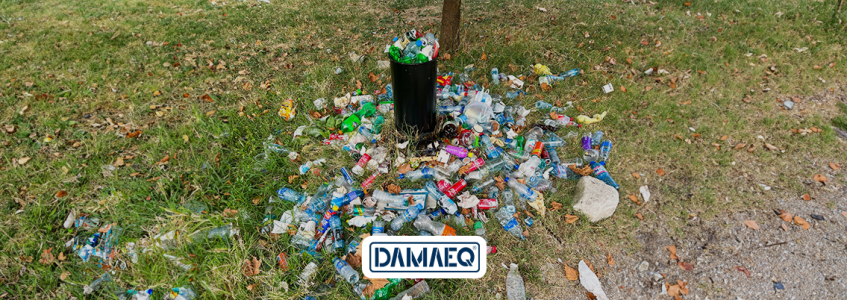
Currently, plastic pollution is one of the biggest environmental challenges facing contemporary cities. The accelerated growth in plastic consumption, combined with its slow decomposition, results in serious effects on the environment and on urban cleaning. In this article, we will discuss this problem and the main solutions to ensure a more sustainable future. 👇
The Growth of Plastic Pollution in Cities
Population growth in large metropolises is one of the main factors behind the significant growth in plastic pollution. Disposable packaging, PET bottles, plastic bags and single-use utensils are widely consumed and improperly discarded, which results in large amounts of plastic that invade streets, rivers and drainage systems. With waste management often ineffective, the accumulation of plastics is inevitable, causing floods, contamination and other problems that affect thousands of people.
The Role of Recycling in Combating Plastic Pollution
Recycling is fundamental to reducing plastic pollution in urban areas. However, its impact is limited by several obstacles, such as incorrect separation of materials and the lack of adequate infrastructure to process the various types of plastics.
It is essential to implement incentive programs that educate the population about the importance of recycling and how to correctly separate different materials. The installation of collection points in strategic locations in cities, together with the use of automated sorting technologies at recycling centers, can simplify and increase the efficiency of the process.
Strategies to Reduce Plastic Use
First, it is crucial to implement policies and practices that promote reducing the use of disposable plastics in urban areas. Below are some strategies that can be adopted:
An End to Single-Use Plastics
Several countries and cities are already implementing bans or limits on disposable plastics, such as straws, bags and cutlery, since this initiative can have an immediate effect on reducing the plastic waste produced daily.
Use of Alternative Materials
Encouraging the use of biodegradable and reusable materials is an efficient approach to reducing plastic pollution. Several commercial establishments, for example, are already adopting paper bags, reusable cups and compostable packaging.
Education and Awareness
A key element in reducing plastic use is educating the population about the environmental impacts and the advantages of recycling. Awareness campaigns not only promote reduced plastic consumption and the correct separation of waste, but can also generate a significant change in people’s habits.
Rewards for Recycling
Programs that provide financial incentives or other rewards to citizens who recycle correctly are becoming more frequent. In addition, these initiatives raise recycling rates and reduce the accumulation of plastic waste in urban areas.
Currently, plastic pollution is one of the main challenges facing modern cities, which are expanding in a disorganized way and without adequate control over the garbage generated. The implementation of efficient policies, encouragement of recycling and public awareness are fundamental solutions for reducing the volume of disposable plastic and its negative effects on the urban environment.
👉 See also: Urban Sustainability: Unpacking the Urban Cleaning Sustainability Index (ISLU)
Get to Know Damaeq
At Damaeq, we understand the importance of recycling in urban cleaning! We are dedicated to offering superior equipment that meets the individual needs of our customers. With integrity, transparency and ethics, we seek to offer solutions adapted to the challenges of waste collection, promoting a cleaner and healthier environment. Since 1993, our team has been dedicated to achieving the highest technology standards for the benefit of people. 👉
Would you like to know more about the management solutions offered by Damaeq? Talk to our consultants today! 📞+ 55 (41) 3643-2232