First of all, safety in cargo transport with road implements is one of the fundamental pillars of public, urban and emergency operations. In this article, we explore how road implements, such as fire trucks, refuse collectors and towable mechanical sweepers, require a high level of reliability to make operations safer. Keep reading!
The importance of road implements for safety
Road implements are extensions of the cargo vehicle and therefore directly affect the stability, handling and efficiency of transport. When poorly designed and built with low-quality materials, this equipment becomes vulnerable to structural failures, compromising not only the load but the entire trip.
Among the main positive impacts of quality implements are:
- Greater structural strength: reinforced materials and certified welding and assembly processes ensure that the implement supports loads without deformation.
- Better weight distribution: avoids axle overload and improves stability in corners and under braking.
- Efficient braking systems: modern implements feature auxiliary braking technologies, such as EBS (Electronic Braking System), which respond faster in emergency situations.
Road implements and their critical role in urban safety
Above all, road implements such as fire trucks and refuse collectors (compactors) are true allies of public and environmental safety. Moreover, the design and manufacturing of each of them must follow strict technical requirements, since this equipment operates under extreme conditions:
- Fire trucks: operate in emergencies, with pressurized water, heavy tanks and the risk of exposure to high temperatures.
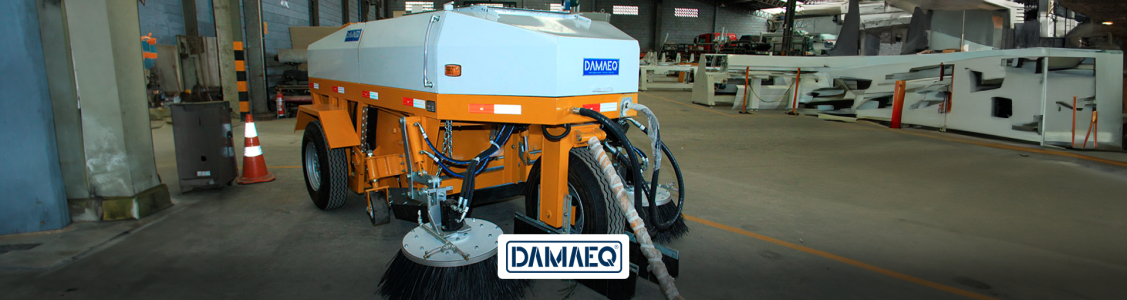
- Towable mechanical sweepers: operate constantly on urban roads, requiring maneuverability, stability and visibility.
- Refuse collection trucks: exposed to corrosive environments and poorly distributed loads, they need a reinforced structure and safe compaction systems.
How specialized implements increase safety in operations
Above all, safety in cargo transport with specialized road implements depends on a combination of technical design, suitable materials, on-board technology and continuous maintenance.
Reinforced structures and safe hydraulic systems
Equipment such as collectors and sweepers needs hydraulic systems to open, lift and move compartments. When these systems are not designed with safety valves and pressure sensors, the risk of operator accidents increases.
Stability while moving
Towable implements such as sweepers must have low centers of gravity and well-sized hitch systems, preventing rollovers in curves or quick maneuvers. Tires, brakes and suspension must also be calibrated to support the weight and load distribution.
Technology in the service of safety
The most modern road implement models feature:
- Presence sensors: prevent hydraulic arms from operating with people nearby.
- 360° cameras and vision systems: improve visibility during maneuvers.
- Load indicators and automatic lid locking: essential to prevent accidental release of waste or water on public roads.
How to choose safe and reliable road implements
When purchasing road implements such as specialized or towable trucks, a few criteria should be considered to ensure operational safety.
Manufacturer with experience and certifications
Check whether the company holds INMETRO and ISO certifications and follows DENATRAN requirements. Equipment such as fire trucks, for example, must follow technical standards such as ABNT NBR 14095.
Fit with the reality of the operation
A common mistake is to buy standardized road implements for specific needs. A collector poorly sized for the urban route causes overload, wasted fuel and premature failures. Conversely, a fire truck with low pumping capacity compromises the work of rescue crews.
Technical support and after-sales service
Implements with a high operational availability rate require prompt support for maintenance and spare parts. Likewise, choosing manufacturers equipped to respond quickly in the field is a differentiator in safety and productivity.
Best practices to ensure safety in the use of implements
Even with the best equipment, safety depends on how it is used day to day. Here are some essential best practices:
- Continuous crew training: well-trained operators avoid operating errors and spot signs of wear before they become critical failures.
- Daily inspection checklists: checking brakes, tires, hydraulic systems and locks before each use drastically reduces risks.
- Scheduled preventive maintenance: following the service plan recommended by the manufacturer ensures good implement performance and avoids unexpected downtime.
👉See also: Maximum load capacity of road implements: learn what the law says
Get to know Damaeq
Damaeq, as a manufacturer of road implements, offers high-quality solutions to meet the specific needs of each sector, ensuring that your operations are more efficient, sustainable and safe.
Buying road implements is a smart choice for companies and sectors that want to optimize their processes and ensure a cleaner, safer work environment.
👉Want to learn more about Damaeq solutions? Get in touch with our consultants right now. 📞+ 55 (41) 3643-2232